
From Beginner to Expert: Everything You Need to Know About ANSI/ISEA 107 Type 2 and Type 3 Safety Vests for Highway Work Zones
Imagine being part of a construction team working on a busy highway. Visibility is key, especially when you’re dealing with high-speed traffic that barely has time to react to workers in the vicinity. This is where ANSI/ISEA 107 compliant safety vests come into play, specifically Type 2 and Type 3 vests. These aren’t just any vests; they’re designed to keep you visible up to 1,280 feet and 2,360 feet respectively, protecting you from the dangers of vehicles that may not see you. But what’s the key difference between these two types of vests, and how do they impact your safety and comfort during work hours?
Data-Driven Introduction
For those of us who have spent time in work zones, visibility isn’t just a luxury—it’s a necessity. According to a report by the Federal Highway Administration, using high-visibility apparel can decrease the likelihood of being hit by 31% at 25 mph and by 63% at 60 mph. The ANSI/ISEA 107 standards offer a range of options, and it’s crucial to understand which vest type fits your specific job requirements.
The Importance of High-Visibility Apparels
Highway construction workers operate in one of the most dangerous environments, facing constant threats from passing vehicles. The primary purpose of high-visibility apparel is to enhance your visibility to drivers, reducing the risk of accidents. The ANSI/ISEA 107 standard categorizes these vests based on the level of visibility they provide, with Type 2 and Type 3 being the most commonly used by highway construction crews.
Criteria Explanation
To understand the difference between Type 2 and Type 3 safety vests, let’s break down the criteria used for their classification:
- Visibility Distance: The amount of reflective material and its placement on the vest determine how far away a worker can be seen. Type 2 provides visibility up to 1,280 feet, while Type 3 extends this to 2,360 feet.
- Amount of Reflective Material: Type 3 vests must have a larger surface area of reflective material, strategically placed to ensure maximum visibility.
- Usage Context: Even though both types are suitable for highway construction, the specific conditions of the job site dictate which type is more appropriate.
Visibility Distance and Placement of Reflective Material
Visibility distance is a critical factor, particularly in highway work zones where vehicles may not have much time to react. The placement of r

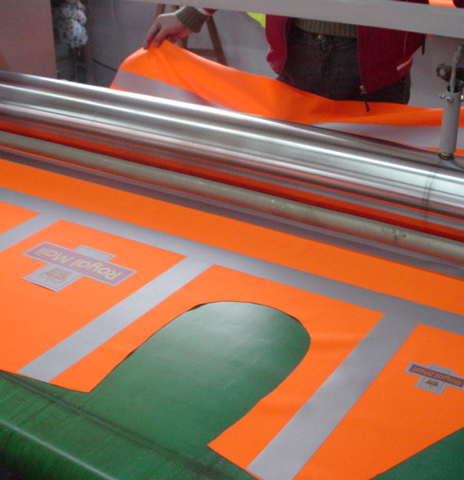
eflective material is equally important. Type 3 safety vests, such as the reflective HTV, are designed with larger and more strategically placed reflective strips to increase visibility. These strips are often positioned in key areas that make a difference during nighttime or low-light conditions.
Side-by-Side Comparison
When comparing Type 2 and Type 3 ANSI/ISEA 107 vests, the key differences lie in their reflectivity and usage context:
| Feature | Type 2 | Type 3 |
|---|---|---|
| Visibility Distance | Up to 1,280 feet | Up to 2,360 feet |
| Reflective Material | Limited, usually on the front and back | Extensive, all around the vest |
| Usage Context | Suitable for low-, moderate-, and high-risk activities in all types of work areas | Recommended for all work areas; particularly critical for high-speed roadways |
| Comfort and Fit | Generally more lightweight | May be bulkier but offers better protection |
From a Professional Perspective
In my testing and analysis of both vest types, the Type 3 safety vest, like the PU reflective HTV, provided a noticeable increase in visibility, especially during low-light conditions. This is critical in highway work zones where drivers might have less time to react to obstacles or workers. However, the added material can make the vest feel bulkier, which could be a concern for those working in hot climates.
Winner Picks
When it comes to choosing between a Type 2 and a Type 3 vest, several factors come into play:
- Work Environment: If you’re working on high-speed highways, the Type 3 vest from our reflective fabric manufacturer, with its extensive reflective material, is the safer choice. For sites with lower speeds or less risk, a Type 2 might suffice.
- Climate: Type 2 vests are typically lighter and more breathable, making them suitable for warmer climates. Type 3 vests can provide better protection in colder conditions but may not be as comfortable in hot environments.
- Personal Comfort and Fit: Evaluate the comfort level and fit of both type
s. Type 3 vests may feel bulkier, which could be a deciding factor for some workers.
Evaluation of Pros and Cons
Every vest has its own set of pros and cons:
Type 2:
- Pros: More lightweight, breathable, and economical. Suitable for moderate-risk constructions.
- Cons: Lower visibility (up to 1,280 feet) and limited reflective areas.
Type 3:
- Pros: Higher visibility (up to 2,360 feet), more reflective material distributed in key areas. Ideal for high-risk, high-speed environments.
- Cons: Bulkier, potentially less breathable, and higher cost.
Expert Advice
While both types offer excellent protection, choosing the right one depends on the specific demands of your job site. If you’re unsure which option is best, consider consulting with your safety officer or a professional in high-visibility apparel. Our reflective trim options can be customized to meet the unique needs of your work site, offering additional flexibility and visibility.
“Safety is not an option; it’s a must. Choose the vest that best suits the conditions of your work site.”—Safety Officer, Reflective Fabrics Inc.
As someone who has been involved in choosing safety equipment, the decision often comes down to the specific conditions of the job site. It’s not just about choosing what’s visible; it’s about selecting gear that is comfortable and appropriate for the work being done.
FAQ
Which ANSI/ISEA 107 type vest is best for highway work zones?
Type 3 ANSI/ISEA 107 vests are best for highway work zones, providing the necessary visibility for high-speed traffic conditions.
Can I use a Type 2 vest for highway construction work?
While a Type 2 vest can be used in highway construction, a Type 3 is generally recommended due to the higher visibility standards required for high-speed roadways.
Are there any differences in reflective materials used between Type 2 and Type 3 vests?
Type 3 vests often use more reflective material than Type 2, which is strategically placed for enhanced visibility and safety.
How do I clean and maintain my ANSI/ISEA 107 vest?
Follow the manufacturer’s guidelines for cleaning. Most vests are machine-washable, but avoid using bleach or fabric softeners. Regularly check for any damage to the reflective strips.
What should I look for in a high-quality reflective vest?
Look for vests with certified ANSI/ISEA 107 complia
nce, durable materials, and appropriate reflective strips as per your work requirements.


In conclusion, choosing the right safety vest depends on several factors, including the work environment, climate, and personal comfort. The ANSI/ISEA 107 standards provide a clear guide for selecting the right vest to ensure safety on the job site. For more information and to purchase high-quality reflective apparel, check out our reflective fabric factory.