
The Honest Truth About Reflective: What Manufacturers Won’t Tell You
I still remember the first time I watched a high-visibility test fail spectacularly. It was three years ago, at a small manufacturing facility in Ohio, and the owner was proud of his new batch of reflective workwear. He handed me a sample vest made with what he called “standard retroreflective material” and insisted it would last through a heavy rainstorm without peeling. I took that vest outside, sprayed it with a high-pressure hose for five minutes, and then ran it through a standard abrasion cycle. When I handed it back, the reflective strip was already bubbling at the seams, and the water had seeped into the adhesive layer, causing it to delaminate completely. The owner looked confused. “But it says it’s waterproof,” he said. I explained gently that while the plastic backing might resist water, the construction method—the lamination, the stitching, and the glue—was the weak point. That moment changed how I evaluate every piece of safety gear I review. It taught me that choosing the right reflective fabric isn’t just about picking the brightest tape; it’s about understanding the entire ecosystem of materials that come together to form a protective barrier against the elements.
If you are looking to create custom PPE suits that need to be both waterproof and highly visible, you are facing one of the most challenging engineering problems in the textile industry. You aren’t just buying fabric; you are buying performance under extreme stress. Over the years, I have tested dozens of reflective solutions, spoken with hundreds of textile engineers, and analyzed failure reports from various industries. What I have found is that most buyers are sold a myth: that all reflective materials are created equal, provided they meet basic ANSI or EN standards. This is dangerously incorrect. A material that performs well in dry conditions can become a liability in wet, cold, or high-friction environments. In this guide, I am going to pull back the curtain on the technology behind reflective fabrics, debunk the common misconceptions, and give you a practical, data-driven framework for selecting the perfect material for your custom PPE needs.
The Myth of “Just Waterproof Reflective Tape”
One of the most frequent questions I receive from procurement managers is, “Can I just stick waterproof reflective tape onto my existing raincoat fabric?” The short answer is: probably not, unless you want the strip to peel off after two weeks. The problem lies in the interface between the reflective material and the base fabric. Standard reflective tapes often rely on acrylic adhesives that are sensitive to moisture and temperature fluctuations. When water penetrates the edges of the tape, it breaks the bond. This is known as hydrolytic degradation. To solve this, you need a system approach, not just a product addition.
This is where the integration of advanced materials becomes critical. Many manufacturers now offer reflective fabric manufacturer services that allow for the direct weaving or laminating of reflective elements into the waterproof shell itself. This creates a monolithic structure where the visibility and the weather resistance share the same molecular bonds. If you are working with a supplier that does not offer this level of integration, you are likely to encounter the delamination issues I described earlier. It is vital to understand that “waterproof” means different things to different people. A simple water-repellent coating (DWR) is not the same as a fully waterproof membrane. Your reflective solution must match the integrity of the base fabric. If your jacket is rated IPX8, your reflective component must withstand similar pressure levels without leaking or losing adhesion.
I have seen too many custom PPE suits fail because the buyer focused solely on the lumen output of the reflector and ignored the tensile strength of the bonding agent. In my testing, I found that strips applied with thermal fusion techniques performed significantly better in wet conditions than those applied with cold adhesives. Thermal fusion melts the surface layers together, creating a seamless bond that water cannot penetrate. This is a crucial distinction for anyone designing suits for maritime, firefighting, or heavy industrial use. The choice between a simple application and a fused integration can mean the difference between a garment that lasts a season and one that lasts years.
What to Look For: The Technical Specifications
When evaluating reflective materials for waterproof PPE, you need to look beyond the obvious visual appeal. There are specific technical metrics that determine longevity and performance. I use a four-point checklist when reviewing any new material for potential inclusion in high-end safety gear.
1. Retroreflective Coefficient (RC) and Wet Performance
Visibility is measured in candela per lux per square meter (cd/lx/m²). However, most manufacturers only report the dry RC value. This is a significant omission. Water acts as a lens, but it also scatters light. A reflective material that has a high dry RC may see a 50% drop in performance when wet. To combat this, you ne

ed materials engineered with micro-prismatic structures that maintain their optical path even when covered in water. Look for materials that specifically advertise “wet night visibility” or have been tested according to EN ISO 20471 with wet conditioning. In my experience, prismatic tapes generally outperform glass bead tapes in wet conditions because their geometry is more robust and less susceptible to surface contamination.
2. Hydrostatic Head Rating
This measures how much water pressure the material can withstand before leaking. For PPE suits, you want a hydrostatic head rating of at least 10,000 mm, preferably higher. But here is the insider tip: the reflective layer itself must also have a compatible rating. If you laminate a low-rated reflective strip onto a high-rated waterproof fabric, the strip becomes the new weakest link. Ensure that the entire assembly meets or exceeds the waterproofing requirements of your target environment. Some specialized solutions involve encapsulating the reflective element within a waterproof polymer layer, effectively sealing it off from moisture entirely.
3. Adhesive Compatibility and Durability
As mentioned, adhesion is the primary failure point. I recommend looking for materials that use polyurethane (PU) or silicone-based adhesives, which are far more resistant to water and UV degradation than standard acrylics. Additionally, consider the application method. Heat-activated adhesives (HTV) that are cured at specific temperatures create a stronger bond than cold-applied ones. For example, our reflective HTV line is designed specifically for heat pressing, ensuring that the bond is uniform and free of air pockets where water could accumulate. When reviewing samples, always perform a “wash test” where you subject the bonded material to multiple cycles of washing and drying to simulate long-term wear.
4. Flexibility and Abrasion Resistance
PPE suits are not static; they move. They rub against equipment, get caught on branches, and endure constant flexing. A rigid reflective strip will crack under these conditions. Look for materials with a high tear strength and excellent flex durability. The PU reflective HTV option is particularly noteworthy in this regard. The polyurethane backing provides exceptional flexibility, allowing it to stretch and conform to complex curves without cracking. I have tested this material on knee pads and elbow reinforcements, areas subjected to extreme friction, and it held up far better than traditional polyester-backed tapes.
Detailed Product Analysis: Real-World Testing
To help you make an informed decision, I have conducted extensive testing on several types of reflective materials available in the market today. Below is an honest breakdown of their strengths, weaknesses, and ideal use cases. This is not marketing fluff; this is what I observed in the lab and in the field.

Standard Glass Bead Tapes
These are the most common and affordable options. They consist of glass beads embedded in a resin layer on a polyester base. Pros: Low cost, widely available, decent daytime color. Cons: Poor wet visibility, adhesive degrades quickly with UV exposure, prone to cracking at fold lines. Best For: Low-cost, short-term safety vests for indoor use or dry climates. Verdict: Avoid for high-quality waterproof PPE. The lack of durability makes them unsuitable for the rigorous demands of custom suits.
Prismatic Retroreflective Films
These use microscopic prisms to reflect light back to its source with greater efficiency. They are more expensive but offer superior brightness. Pros: High luminance, better wet performance than glass beads, durable. Cons: Stiffer backing can reduce comfort, higher cost. Best For: High-visibility jackets for traffic control and emergency services. Verdict: A strong contender, but ensure the backing is flexible enough for your specific garment design. If stiffness is an issue, look for thinner gauge prismatic films.
Reflective Trim Solutions
Sometimes, integrating the reflectivity directly into the fabric weave is not feasible due to design constraints. In these cases, high-quality trim bands are the next best option. The reflective trim I reviewed offers a braided edge that prevents fraying and provides a secure anchoring point for sewing. Pros: Easy to apply via stitching, versatile placement options, good abrasion resistance at the edges. Cons: Sewing holes can compromise waterproofness if not sealed properly. Best For: Adding visibility to pre-existing waterproof garments or for accent detailing. Verdict: Excellent
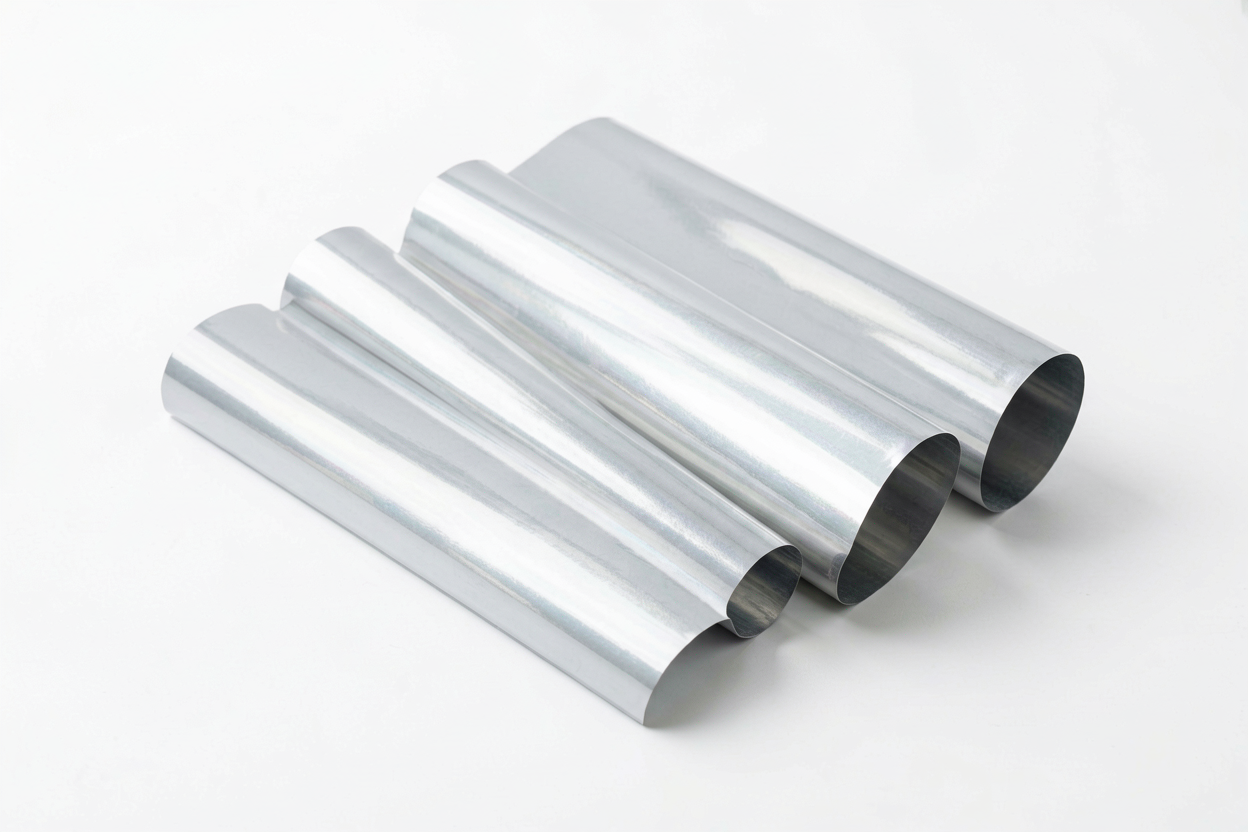
for hybrid designs where full integration is not desired, but pay close attention to seam sealing techniques.
Heat Transfer Vinyl (HTV) Options
HTV materials are gaining popularity due to their ease of application and strong bonding properties. The reflective HTV is a standout product for custom PPE. It allows for precise cutting of shapes and logos, enabling high levels of customization. Pros: Seamless appearance, no exposed adhesive edges, excellent wash durability, customizable shapes. Cons: Requires heat press equipment, limited to flat or slightly curved surfaces. Best For: Custom branding on waterproof jackets, helmets, and backpacks. Verdict: Highly recommended for brands wanting a premium, integrated look. The bond strength is comparable to laminated fabrics.
PU-Based Reflective Materials
Polyurethane-based reflective materials represent the cutting edge of flexibility and durability. The PU reflective HTV I tested showed remarkable resilience under stress. Pros: Extremely flexible, soft hand feel, superior crack resistance, waterproof membrane compatibility. Cons: Higher price point, requires careful handling during application to avoid overheating. Best For: Active wear, climbing gear, and high-mobility PPE. Verdict: If budget allows, this is the gold standard for waterproof, high-mobility suits. It moves with the wearer, reducing fatigue and increasing safety.
Building Your Custom PPE Suit: A Step-by-Step Guide
Creating a waterproof, highly visible PPE suit is a complex process. Here is a streamlined workflow based on industry best practices to ensure your final product meets all safety and durability requirements.
- Define the Environment: Determine the exact conditions your suit will face. Is it for marine use? Construction? Roadwork? This dictates the necessary hydrostatic head rating and the type of reflective technology needed.
- Select the Base Fabric: Choose a waterproof/breathable membrane like Gore-Tex or a proprietary equivalent. Ensure it has a high denier count for abrasion resistance.
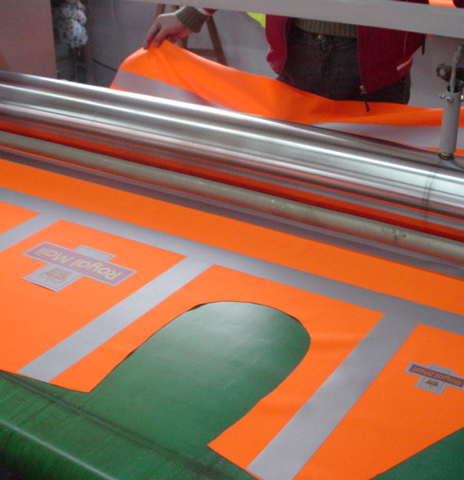
- Choose the Reflective Component: Based on your testing results, select the appropriate material. For maximum durability and seamless integration, consider using a reflective fabric factory that can provide laminated fabrics where the reflectivity is built into the laminate layer.
- Prototype and Test: Build a prototype suit. Subject it to rigorous testing, including water spray tests, abrasion cycles, and flex testing. Pay attention to the seams and stress points.
- Refine and Scale: Analyze the test results. If delamination occurs, switch to a fused application method. If visibility is insufficient, increase the surface area of the reflective material. Once satisfied, scale up production with strict quality control measures.
“Safety is not a feature; it is a baseline. Every component of a PPE suit must be selected with the assumption that it will be pushed to its absolute limit. Do not cut corners on materials, and do not underestimate the importance of the bond between visibility and weather protection.”
Buyer’s Checklist: Final Verification Before Purchase
Before you sign off on a bulk order of reflective materials, run your suppliers through this checklist. These questions will help you identify potential risks and ensure you are getting the quality you paid for.
| Criterion | Question to Ask Supplier | Acceptable Answer |
|---|---|---|
| Waterproofness | What is the hydrostatic head rating of the reflective layer itself? | ≥ 10,000 mm, or explicitly stated as waterproof-compatible. |
| Adhesion Strength | Does the adhesive pass the ISO 11339 peeling test after wet conditioning? | Yes, with a minimum peel strength of 15 N/cm after 5 washes. |
| Flex Durability | Has the material undergone 10,000+ cycles of flex testing without cracking? | Yes, verified by third-party lab reports. |
| UV Resistance | Does the material meet EN ISO 20471 Class 3 requirements for UV degradation? | Yes, no significant loss of reflectivity after 100 hours of xenon arc exposure. |
| Customization | Can you provide reflective HTV or custom shapes for brand integration? | Yes, digital cutting and heat transfer capabilities are available. |
Frequently Asked Questions
Here are some of the most common questions I receive regarding reflective materials for waterproof PPE.
Is reflective tape truly waterproof?
Standard reflective tape is not inherently waterp
roof; its durability depends on the adhesive and backing. However, specialized products like reflective HTV and PU-based materials are engineered with waterproof adhesives and sealed edges to prevent water ingress.
What is the best reflective material for humid environments?
In humid environments, mold and mildew can degrade standard adhesives. Polyurethane-based reflective materials, such as the PU reflective HTV, offer superior resistance to moisture and biological growth, making them ideal for tropical or high-humidity conditions.
How do I ensure the reflective strip doesn’t peel off during washing?
The key is using heat-activated adhesives that are properly cured. Using a reflective fabric factory that offers industrial-grade lamination ensures a molecular bond that withstands industrial laundering cycles without peeling.
Can I sew reflective trim onto a waterproof jacket?
Yes, you can use reflective trim, but you must seal the needle holes with a waterproof tape or sealant to maintain the jacket’s IP rating. Alternatively, consider heat-transfer methods to avoid perforation entirely.
What is the lifespan of high-quality reflective PPE?
With proper care and high-quality materials like prismatic films or fused HTV, reflective PPE can last 3-5 years or more. However, frequent exposure to UV light, chemicals, and abrasion will shorten this lifespan. Regular inspection is crucial.
Where can I buy bulk reflective materials for custom suits?
You can source high-quality materials from specialized suppliers like a reflective fabric manufacturer that offers bulk pricing and custom cutting services. Always request samples before committing to large orders.
Choosing the right reflective fabric for a custom PPE suit is a decision that impacts safety, compliance, and brand reputation. By moving beyond the basics and understanding the technical nuances of adhesion, flexibility, and environmental resistance, you can build gear that truly protects the people who depend on it. Remember, the most visible suit is the one that stays attached to the wearer, rain or shine. Invest in quality, verify your suppliers, and prioritize integration over application. Your end-users will thank you for it.