
Industrial Wash Reflective Tape: Maintenance and Care Guide
Maintaining high-visibility safety gear is critical for workers in construction, road crews, and emergency services. The durability of industrial wash reflective tape directly impacts worker safety during low-light conditions. Proper care ensures that the retroreflective properties remain intact through hundreds of laundering cycles.
This guide provides professional advice on cleaning, inspecting, and extending the lifespan of your safety apparel. By following these maintenance protocols, organizations can reduce replacement costs while ensuring compliance with OSHA and ANSI standards. Consistent upkeep of washable reflective tape prevents premature degradation caused by harsh chemicals and improper drying methods.
Understanding the Composition of Industrial Wash Reflective Tape
Before discussing maintenance, it is essential to understand what makes this tape resilient. High-quality durable reflective tape for workwear typically consists of a glass bead or prismatic retroreflective layer laminated onto a flexible polyester or PVC carrier. This carrier is bonded to an aggressive pressure-sensitive adhesive designed to stick to synthetic fabrics like polyester and nylon.
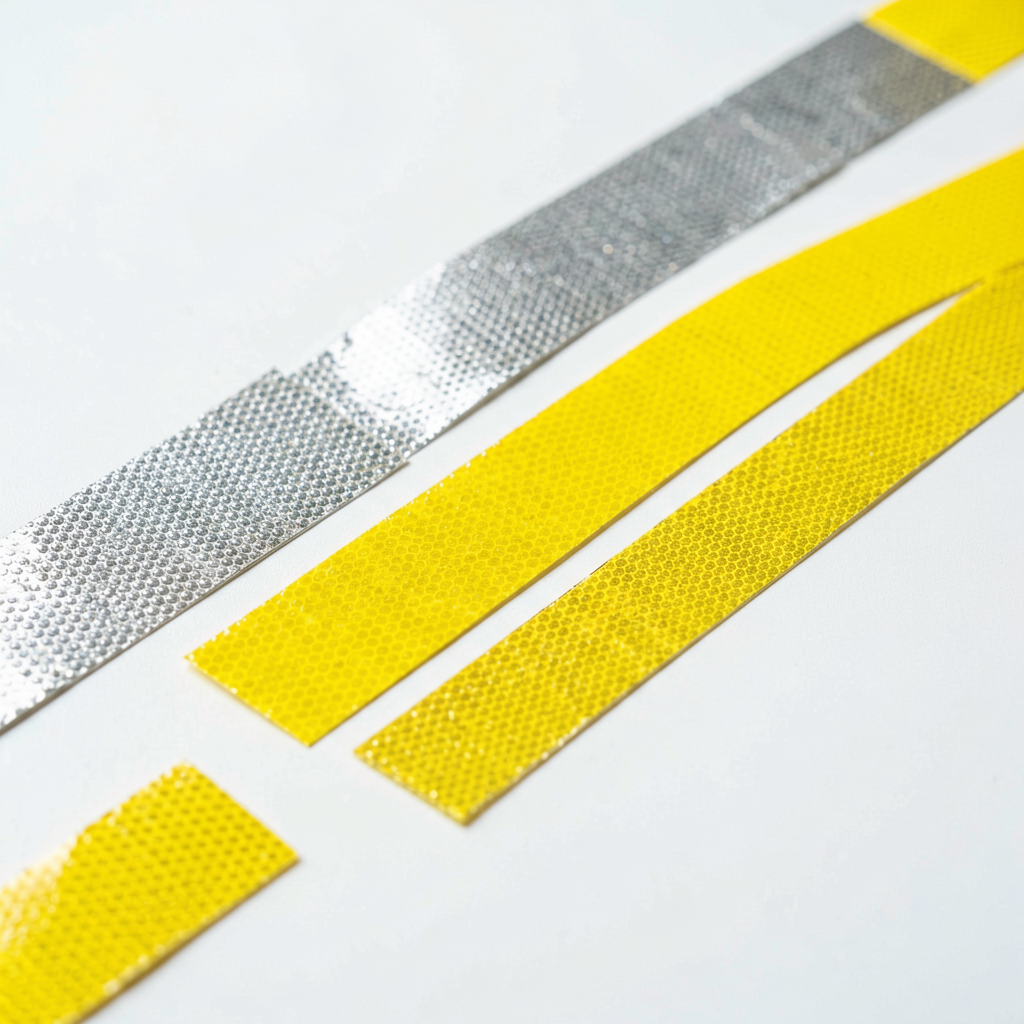
The adhesive formulation is specifically engineered to withstand heat, moisture, and mechanical agitation. However, even the most robust tapes can suffer from edge lifting or loss of reflectivity if exposed to incorrect cleaning agents. Understanding the material science behind the tape helps workers and laundry managers make informed decisions about care routines.
Prismatic tape, often used in high-performance applications, offers superior brightness compared to traditional glass bead tape. It maintains its reflective performance longer but requires slightly more gentle handling to avoid scratching the micro-prism surface. Recognizing the type of tape on your garments allows for tailored maintenance strategies that maximize longevity.
Best Practices for Washing Safety Apparel
Proper washing techniques are the first line of defense against tape degradation. When laundering uniforms with attached industrial wash reflective tape, always separate them from heavy items like jeans or boots that could cause abrasion. Turn garments inside out before placing them in the washing machine to protect the reflective surfaces from direct contact with drum walls and other clothes.
Use a mild, non-abrasive detergent that is free from bleach and fabric softeners. Bleach can break down the adhesive bond and discolor the retroreflective sheeting. Fabric softeners leave a residue on the tape surface, which can diminish its ability to reflect light effectively over time. Stick to detergents labeled as safe for high-visibility or technical workwear.
Avoid high-intensity spin cycles whenever possible. Excessive centrifugal force can stress the adhesive edges, leading to peeling or curling. A medium-speed spin is sufficient to remove excess water without compromising the structural integrity of the tape. For heavily soiled garments, pre-treating stains with a soft brush and mild soap solution is safer than aggressive scrubbing.
Drying Methods That Preserve Reflectivity
Drying is often where the most damage occurs to safety apparel. High heat is the enemy of pressure-sensitive adhesives. Always air dry garments when possible by hanging them on wide, padded hangers or laying them flat. This method prevents stretching of the fabric and eliminates thermal stress on the reflective tape.
If a dryer must be used, select the lowest heat setting available. Never use high heat or steam settings, as these can melt the adhesive layer and cause the tape to delaminate from the fabric. Tumble drying on low should be limited to short durations to prevent overheating. Remove garments immediately once dry to avoid unnecessary heat exposure.
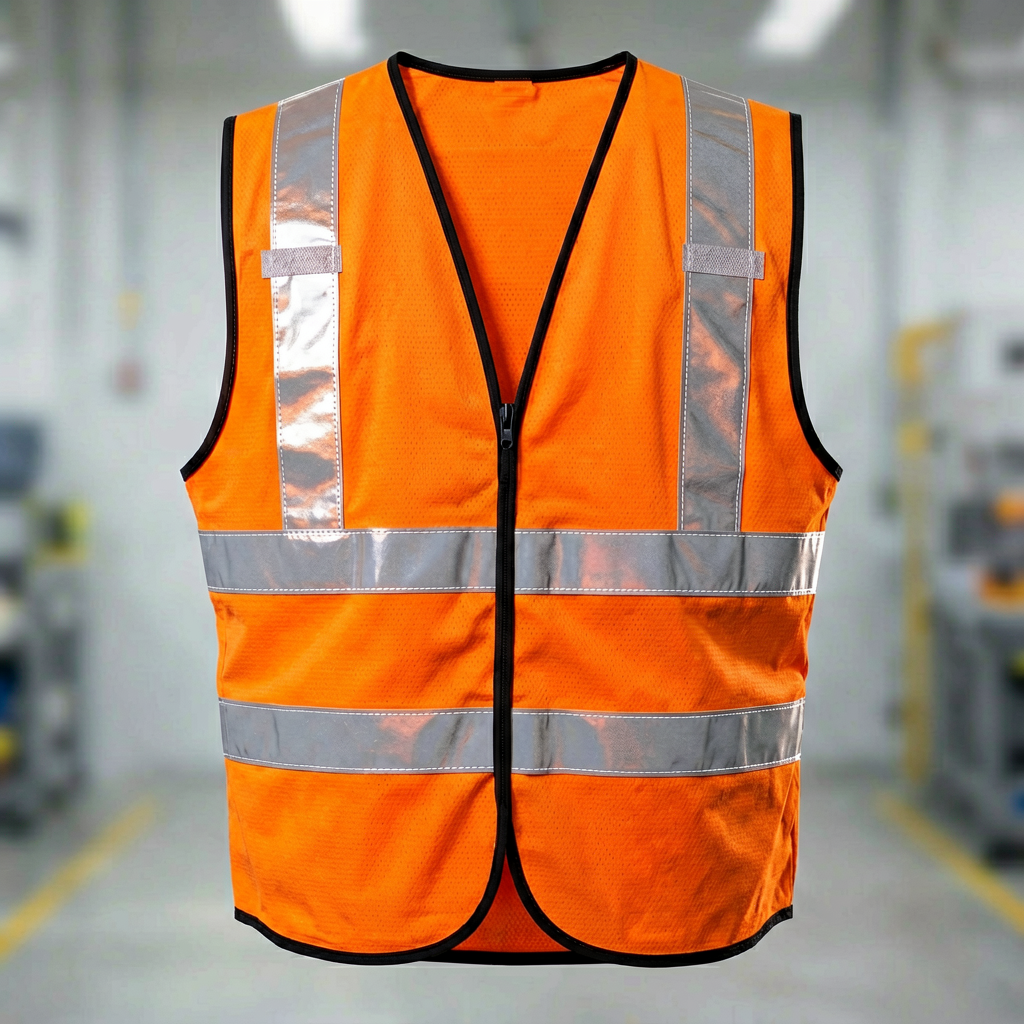
Ironing should never be applied directly to the reflective tape. If pressing wrinkles from the garment is necessary, turn the item inside out and iron only the fabric areas away from the tape. The heat from an iron can instantly destroy the adhesive properties and scratch the reflective surface. Using a steamer at a distance is a safer alternative if needed.
Inspecting Tape Condition After Cleaning
Regular inspection is crucial for maintaining a safe work environment. After each wash cycle, take a moment to examine the industrial wash reflective tape for signs of wear. Look for edge lifting, cracking, or any separation between the tape and the fabric. These issues compromise the adhesion and may lead to the tape falling off during active work.
Check for dirt buildup in the grooves of prismatic tape, as this can reduce light return. Use a soft, damp cloth to gently wipe away accumulated grime. Avoid using stiff brushes or abrasive pads that could scratch the surface. Keeping the tape clean ensures maximum visibility for drivers and equipment operators.
Assess the color of the fluorescent background material. Over time, UV exposure and harsh chemicals can cause fading. While fading does not directly affect reflectivity, it reduces the daytime conspicuity of the garment. If the fluorescent color has significantly degraded, it is time to replace the apparel regardless of the tape’s condition.
- Check for peeling edges along the entire length of the tape strip.
- Look for micro-cracks in the reflective surface that indicate material fatigue.
- Ensure no adhesive residue remains on adjacent fabric areas after removal of damaged sections.
- Verify that the tape remains firmly attached after multiple wash cycles.
Dealing with Stubborn Stains Without Damaging Tape
Workers in industrial environments often encounter oil, grease, cement, or chemical spills. Removing these stains requires careful technique to avoid harming the washable reflective tape. Start by scraping off any dried debris gently with a blunt knife or plastic scraper. Do not use metal tools that could cut into the tape backing.
For oil-based stains, apply a small amount of non-chlorinated solvent or dedicated stain remover to the affected area. Test the solvent on an inconspicuous part of the garment first to ensure it does not damage the fabric or tape. Allow the solvent to penetrate the stain for a few minutes before blotting with a clean cloth.
Avoid soaking the tape in solvents for extended periods. Prolonged exposure to strong chemicals can weaken the adhesive bond. After treating the stain, rinse the area thoroughly with cool water and proceed with the standard washing routine. Never use acetone or nail polish remover, as these will dissolve the tape components.
Storage Guidelines for Unworn Safety Gear
Proper storage extends the shelf life of both new and used safety apparel. Keep garments in a cool, dry place away from direct sunlight. UV rays degrade the fluorescent dye and can make the tape brittle over time. Use opaque storage bins or covered racks to shield the clothing from light exposure.
Avoid folding reflective tape sharply, as this can create permanent creases that weaken the material. Hang garments on wide hangers to maintain their shape and prevent stress on the tape seams. If folding is necessary, fold along natural seam lines rather than across the center of the reflective strips.
Do not store safety vests in plastic bags for long periods. Trapped moisture can promote mold growth and degrade the adhesive. Breathable garment bags or ventilated storage units are ideal for preserving the integrity of the materials. Regularly rotate stock to ensure older garments are used first.

When to Replace Reflective Tape and Apparel
Even with meticulous care, durable reflective tape for workwear has a finite lifespan. Replace garments when the tape shows significant cracking, extensive edge lifting, or loss of retroreflective brightness. A simple flashlight test can help determine if the tape is still performing adequately. Shine a light at the tape and observe the reflection; if it appears dim or patchy, replacement is necessary.
Regulatory standards such as ANSI/ISEA 107 require specific levels of retroreflective material. If your tape no longer meets these standards, the garment is non-compliant and poses a safety risk. Do not attempt to repair severely damaged tape with additional adhesives or overlays, as these are not certified solutions.
Tracking the wash count of each garment can help predict replacement needs. Most high-quality tapes are rated for 25 to 50 industrial washes. Implementing a logbook or digital tracking system ensures proactive replacement before safety is compromised. Investing in quality tape reduces long-term costs by minimizing frequent replacements.
Conclusion
Maintaining industrial wash reflective tape is a vital component of workplace safety and cost management. By adhering to proper washing, drying, and inspection protocols, organizations can extend the usable life of their safety apparel. Consistent care ensures that workers remain visible and protected in hazardous environments.
Remember to use mild detergents, avoid high heat, and inspect garments regularly for signs of wear. These simple steps preserve the functionality of washable reflective tape and uphold compliance with safety regulations. Prioritizing maintenance ultimately protects both employees and the bottom line.
Related Articles
For more information on safety gear and reflective products, please visit our blog:
- How to Choose the Right Retroreflective Material for Your Industry
- Understanding ANSI/ISEA 107 Compliance for High-Visibility Clothing
- Glass Bead vs. Prismatic Tape: Key Differences Explained
- Best Practices for Applying Safety Tape to Garments
- Custom Reflexive Tape Solutions for Unique Workwear Needs
- The Impact of UV Light on Reflective Tape Longevity
- Essential Safety Vest Maintenance Tips for Long-Term Use
Product Collections
Browse our high-quality range of reflective materials designed for durability and performance: